Saving for a first home can feel overwhelming, especially if you’ve been told that every…
Massachusetts First-Time Buyers: Down Payment Guide
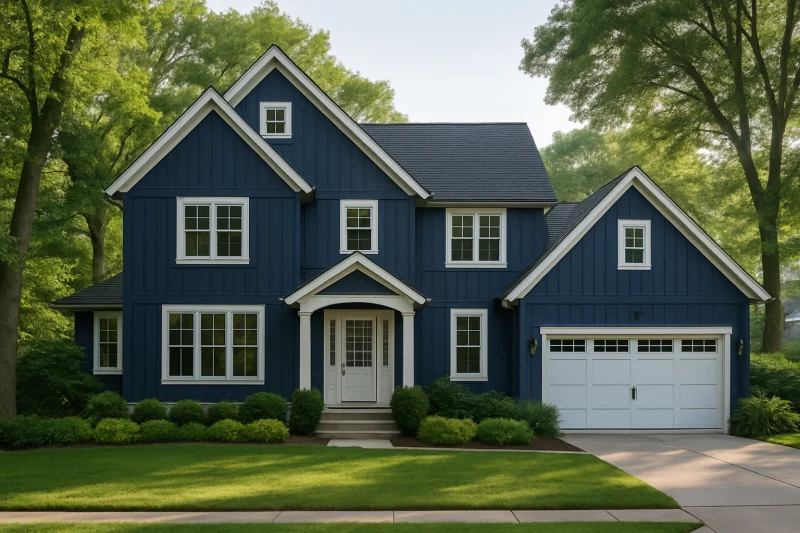
Buying your first home in Massachusetts is exciting, but the down payment and closing costs can feel overwhelming.
Your total cash to close generally includes the down payment, lender and third-party closing costs, prepaid expenses, and reserves when required, minus eligible deposits and credits.
In this guide, I’ll explain what first-time buyers should budget for, which loan options may reduce upfront costs, and how to prepare for closing day.
Key Takeaways
- Down Payment: Eligible borrowers may have low- or no-down-payment options through VA, conventional, or FHA loan programs, depending on current guidelines and lender requirements.
- Closing Costs: Buyers should budget for lender charges, third-party services, prepaid taxes, homeowners insurance, and initial escrow deposits.
- Financial Assistance: Massachusetts buyers may qualify for assistance based on income, property location, loan program, and available funding.
- Best Preparation: A detailed pre-approval helps estimate the down payment, closing costs, monthly payment, and required reserves before an offer is submitted.
Quick Answers for Massachusetts First-Time Buyers
- How much do I need for a down payment? It depends on the loan program. Some qualified buyers may use 0% down VA financing, 3% down conventional financing, or 3.5% down FHA financing.
- Are closing costs included in the down payment? No. The down payment and closing costs are separate parts of your total cash to close.
- Can a seller help with closing costs? Yes, seller credits may be permitted, but the amount and eligible uses depend on the loan program, transaction, and appraisal.
- When will I know my final amount? Your figures become more precise as the property, rate, insurance, taxes, title charges, and closing date are confirmed.
I’m Richard M. Bettencourt Jr (NMLS# 7810), President of Veteran Mortgage Brokers, and I help buyers review these numbers before they start making offers. The goal is simple: understand the FULL cost, compare the available options, and avoid surprises!!!!
What Does “Cash to Close” Mean?
Cash to close is the verified amount a buyer must provide to complete the mortgage transaction. It isn’t just the down payment!!!!
Your estimated cash to close may include:
- Your required down payment
- Lender and mortgage-related charges
- Appraisal, credit, title, attorney, and recording expenses
- Prepaid homeowners insurance
- Prepaid interest through the end of the closing month
- Initial deposits for property taxes and insurance
- Required financial reserves, when applicable
- Adjustments for deposits, lender credits, seller credits, or assistance funds
Your earnest money deposit usually isn’t an additional charge on top of everything else. It’s typically shown as a credit toward the amount due at closing, assuming the transaction proceeds and the funds are properly documented.
Okie Dokie, that’s the big picture!!!! Now let’s break down each part.
How Much Down Payment Does a First-Time Buyer Need?
The down payment depends on the mortgage program, occupancy, credit profile, income, debts, property type, and available funds. Being a first-time buyer doesn’t automatically determine your required down payment.
Here’s a general comparison of common options as of 2026:
| Loan Type | Potential Minimum Down Payment | Important Considerations |
|---|---|---|
| VA | 0% for eligible borrowers | Eligibility, entitlement, occupancy, appraisal, and property standards apply. |
| Conventional | As little as 3% for certain qualified buyers | Mortgage insurance may apply, and eligibility varies by program. |
| FHA | 3.5% for qualified borrowers | Mortgage insurance and FHA property requirements apply. |
| Jumbo | Varies by lender and scenario | Requirements may include stronger reserves, credit, and documentation. |
Buyers can review our low down payment purchase options to understand how the programs differ. Eligible military service members and Veterans should also compare VA financing with conventional and FHA options rather than assuming one program automatically fits every transaction.
A smaller down payment can preserve savings, but it may affect the monthly payment, mortgage insurance, rate, and total borrowing cost. I believe in reviewing the complete financial picture—not just chasing the smallest upfront number!!!!
What Closing Costs Should Massachusetts Buyers Expect?
Closing costs are the charges required to establish, approve, document, insure, and record the mortgage and property transfer. The total varies based on the lender, loan amount, municipality, property, attorney, title company, insurance provider, and closing date.
Lender and Mortgage Charges
These may include underwriting, processing, credit reporting, flood determination, rate-related charges, and other permitted costs. Some borrowers choose a lender credit to reduce upfront expenses, but that option may come with a different interest rate.
Appraisal and Property Review
An appraisal provides an independent opinion of the property’s value for the lender. Depending on the property and loan program, additional inspections or reviews may be required.
The appraisal isn’t the same as a home inspection. A home inspection is generally ordered for the buyer’s information, while the appraisal is ordered as part of the mortgage process.
Attorney, Title, and Recording Costs
Massachusetts real estate transactions commonly involve attorneys and title services. Charges may include title examination, lender’s title insurance, settlement services, document preparation, municipal information, and recording fees.
An owner’s title insurance policy may also be offered. Buyers should discuss its coverage and cost with their closing attorney.
Prepaid Taxes and Homeowners Insurance
Prepaid expenses aren’t necessarily service fees. They’re funds collected for expenses connected to owning the home.
You may need to pay the initial homeowners insurance premium before closing. The lender may also establish an escrow account to collect funds for upcoming property tax and insurance bills.
The closing date matters here!!!! Closing earlier or later in the month can change prepaid interest and other adjustments.
Can Massachusetts Programs Help With Upfront Costs?
Massachusetts first-time buyers may have access to state, municipal, nonprofit, employer, or lender-supported assistance programs. Availability can change, and funds may be limited.
Assistance may come in several forms:
- A grant that doesn’t require monthly repayment
- A deferred loan that may become due later
- A forgivable loan that requires program conditions to be met
- A repayable second mortgage
- A lender credit tied to a particular loan structure
Down payment assistance is not automatically free money. Buyers should understand repayment terms, occupancy requirements, income limits, property restrictions, and what happens after a sale or refinance.
Programs may use household income, purchase price, property location, homebuyer education, or first-time buyer status to determine eligibility. Guidelines and funding can change, so current information should always be verified before relying on assistance in an offer.
How Seller Credits Can Reduce Closing Expenses
A seller credit is an amount the seller agrees to contribute toward eligible buyer costs. It may help cover closing expenses, prepaid items, or an approved interest-rate buydown.
Seller credits generally can’t be used to hand the buyer unused cash after closing. The credit must fit the actual eligible expenses and the applicable loan guidelines.
The maximum permitted contribution varies by loan program, occupancy, and down payment. The property also needs to support the agreed purchase price through the appraisal and underwriting process.
A credit can be valuable, but the offer still needs to make financial sense. Paying a higher purchase price solely to obtain a credit may affect the loan amount, payment, appraisal, and overall cost.
How to Build a First-Time Buyer Budget
A solid home-buying budget should cover more than the mortgage payment. I recommend reviewing the complete housing expense and the funds you want left after closing.
Step 1: Review Your Available Funds
Start with checking, savings, investment, and eligible gift funds. Keep a clear paper trail!!!! Large or unusual deposits may need to be documented.
Step 2: Estimate the Complete Monthly Payment
The complete payment may include principal, interest, property taxes, homeowners insurance, mortgage insurance, and association dues. A single-family home in Worcester may have a different cost structure than a condominium in Boston or a property elsewhere in Massachusetts.
Step 3: Compare Multiple Loan Structures
Compare VA, conventional, and FHA home loan scenarios when applicable. Look at cash to close, monthly payment, mortgage insurance, rate structure, and long-term cost.
Step 4: Protect Your Remaining Savings
Don’t forget moving expenses, immediate repairs, utility deposits, furnishings, and routine maintenance. Some loan files may also require reserves after closing.
Reserves are funds left over after closing, usually measured using a certain number of months of housing payments. Reserve requirements vary by loan program, property type, and borrower profile.
Step 5: Update the Numbers Before Making an Offer
Taxes, insurance, association dues, and seller credits can change from one property to another. A pre-approval isn’t a one-time calculation!!!! Update the estimated payment and cash to close before submitting an offer.
Documents You May Need for Your Funds
Mortgage underwriting typically verifies where your closing funds came from and whether they’re acceptable under the selected program. Buyers may be asked for:
- Recent bank or investment account statements
- Documentation for large deposits
- Gift documentation and evidence of transfer
- Statements showing earnest money leaving the account
- Assistance program approval documents
- Evidence that required reserves will remain available
Avoid moving money between accounts without keeping the statements and transaction records. Also avoid depositing undocumented cash because it may be difficult to verify for mortgage purposes.
Before changing jobs, opening new credit, financing furniture, or moving large balances, speak with your mortgage professional. These changes may affect qualification or the documentation required.
Plan Your Massachusetts Home Purchase
First-time buyers in Massachusetts don’t need to guess at these numbers. A well-prepared pre-approval can show an estimated down payment, closing costs, monthly payment, and reserve position before you’re under contract.
I work with Veterans, military service members, and first-time buyers throughout Massachusetts and across the states where we’re licensed, including New Hampshire, Maine, Connecticut, and Florida. Whether you’re looking around Boston, Worcester, Portsmouth, Manchester, Portland, or Hartford, the process starts with your actual financial scenario—not a generic online calculator.
Call, text, or email us to review your scenario, compare available mortgage options, and understand the next steps. We can also build a pre-approval plan so you know what to expect before making an offer. Let’s rock and roll!
Frequently Asked Questions
Who is considered a first-time home buyer in Massachusetts?
Many programs define a first-time buyer as someone who hasn’t owned a principal residence during a specified recent period. Definitions and exceptions vary, so buyers should verify the current rules for the specific mortgage or assistance program.
Can gift funds be used for a Massachusetts home purchase?
Gift funds may be permitted for some or all of the down payment and closing costs, depending on the loan program. The donor, source of funds, transfer, and required documentation must meet current guidelines.
Does a VA loan eliminate every upfront expense?
No. Eligible borrowers may finance a home with no required down payment, but closing costs, prepaid expenses, and a VA funding fee may still apply unless covered, financed, or exempted under current rules.
Do condominium purchases have additional costs?
They can. Buyers may need to budget for association dues, move-in charges, document fees, special assessments, or other permitted expenses, and the condominium project may require a separate eligibility review.
What happens to closing costs if the closing date changes?
A changed closing date can affect prepaid interest, tax adjustments, rate-lock considerations, and other settlement figures. The lender and closing attorney will update the disclosures and final amount based on the revised date.
This is educational and not financial advice. Loan programs and guidelines can change. Talk with a licensed mortgage professional about your specific scenario.

About the Author
Richard M. Bettencourt Jr
President at Veteran Mortgage Brokers · NMLS #7810
Rick Bettencourt, “The VA Guy,” is the #1 New England-based VA Mortgage Professional and a Top 200 VA Mortgage Originator nationwide. A nationally recognized VA Home Loan Subject Matter Expert, Rick has appeared on the U.S. Department of Veterans Affairs #TheSitRep podcast. A Past President of NAMB and co-creator of the Certified Veteran Lending Specialist (CVLS), Rick has trained 1,000+ mortgage and real estate professionals and is highly proficient in VA, Conventional, and FHA financing
Specializes in: VA Loans, Conventional, FHA
Licensed in: CT, FL, ME, MA, NH
Related Posts