
Understanding the Timing of a September Move As we approach Labor Day, many prospective homebuyers…
Jumbo Loans: Buying a High-Cost Home in Massachusetts
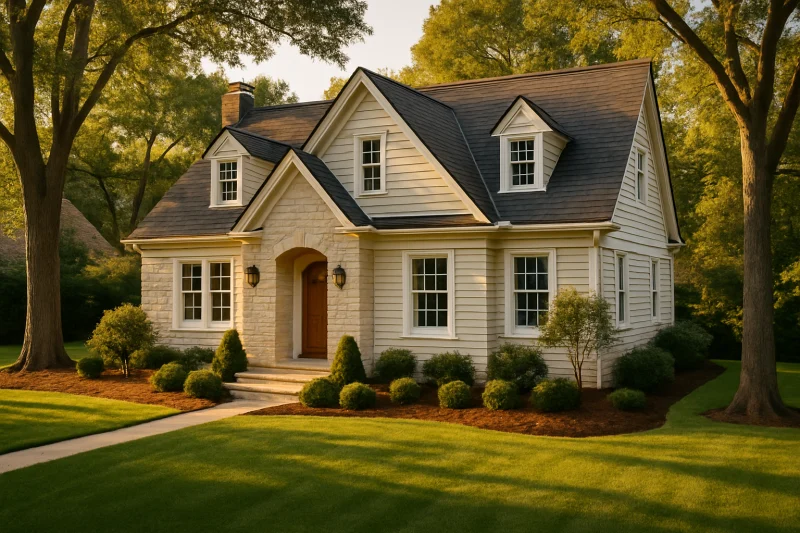
Buying a higher-priced home in Massachusetts is exciting, but figuring out the right financing can feel overwhelming.
A jumbo loan is a mortgage used when the loan amount exceeds the conforming loan limit established for the property’s county and number of units.
In this guide, I’ll explain how jumbo loans work, what lenders typically review, and how to prepare for a high-cost home purchase in Massachusetts.
Key Takeaways
- Loan Size: A jumbo loan finances an amount above the current conforming limit for the county and property type.
- Requirements: Lenders commonly review credit, income, assets, debt obligations, and cash reserves very carefully.
- Down Payment: Requirements vary based on the loan amount, occupancy, property, credit profile, and lender guidelines.
- Timeline: Jumbo financing can follow a standard mortgage timeline, but complex income or appraisal reviews may require additional time.
- Best For: Jumbo loans may work for qualified borrowers purchasing higher-cost homes that cannot be financed within conforming limits.
As Richard M. Bettencourt Jr (NMLS# 7810), I help borrowers review jumbo financing alongside conventional, VA, FHA, and other available mortgage options. The goal is to understand the complete scenario before you make an offer!!!!
Quick Answers About Jumbo Loans
- What makes a mortgage a jumbo loan? The loan becomes jumbo when its amount exceeds the applicable conforming loan limit, not simply because the home has a high purchase price.
- Why are jumbo loans common in Massachusetts? Home prices in markets such as Boston, Worcester, and other Massachusetts communities may create financing needs above conforming limits.
- Do jumbo loans always require 20% down? No. Some programs may allow less, while larger loan amounts or specific property types may require more.
- Are jumbo mortgage rates always higher? Not necessarily. Pricing depends on current market conditions, credit, down payment, property type, occupancy, and the specific lender.
- Does a jumbo loan take longer to close? Not always, but additional appraisal, asset, income, or underwriting reviews can affect the timeline.
How Jumbo Loan Limits Work in Massachusetts
Conforming loan limits are used to determine whether a conventional mortgage can be purchased by Fannie Mae or Freddie Mac. Those limits can vary by county, property type, and current guidelines.
A home’s purchase price and its loan amount are not the same thing. You could purchase a high-cost home and still use conforming financing if your down payment keeps the mortgage within the applicable limit.
On the other hand, a smaller down payment could push the requested mortgage above that limit. That is when a jumbo home loan may enter the conversation.
Massachusetts also has counties where higher conforming limits may apply. That means two borrowers purchasing similarly priced homes in different counties might not have the same loan classification. We need to check the property location, number of units, loan amount, and current limits before labeling anything jumbo!!!!
What Do Jumbo Lenders Typically Review?
Jumbo mortgages involve larger loan balances, so underwriting can be more detailed. Every lender has its own guidelines, but several areas receive close attention.
Credit History
Lenders generally look for a strong overall credit profile. They may review your scores, mortgage history, revolving debt, installment loans, recent credit inquiries, and any significant credit events.
A single credit score does not tell the whole story. The loan amount, down payment, reserves, and overall application can influence which programs are available.
Income and Employment
You’ll need to document stable, qualifying income that supports the proposed payment and your other monthly obligations. The required documents depend on how you earn income.
- Employees may provide pay statements, W-2 forms, and employment verification.
- Self-employed borrowers may need personal or business tax returns, financial statements, and additional business documentation.
- Borrowers using bonuses, commissions, rental income, or investment income may need to document an acceptable history.
Income calculations can vary by lender and program. Getting the documents reviewed early can prevent surprises after you find the home.
Cash Reserves
Cash reserves are funds remaining after the down payment, closing costs, and other required expenses are paid. Jumbo lenders often want borrowers to retain meaningful reserves after closing.
The required reserve amount varies by loan size, property type, number of financed properties, and overall risk profile. Eligible retirement or investment accounts may sometimes count, although lenders may discount their value or apply access requirements.
Debt-to-Income Ratio
Your debt-to-income ratio compares qualifying monthly debts with qualifying gross monthly income. Jumbo programs may apply different ratio standards depending on credit, reserves, down payment, and other compensating factors.
Okie Dokie, this is where planning becomes REALLY important!!!! Paying off a debt might help in one scenario, but using those funds could reduce the reserves needed for another requirement. Review the complete financial picture before moving money or paying accounts down.
How Much Down Payment Is Needed for a Jumbo Loan?
There is no single down payment requirement for every jumbo mortgage. Some well-qualified borrowers may find options with less than 20% down. Other scenarios may require a larger investment.
Down payment requirements commonly depend on:
- The requested loan amount
- Credit history and credit scores
- Primary residence, second home, or investment occupancy
- Single-family, condominium, or multi-unit property type
- Available cash reserves
- Income documentation and debt obligations
Mortgage insurance or alternative pricing may apply when the down payment is below a particular program threshold. Costs and structures vary, so compare the monthly payment, cash needed at closing, and long-term plan—not just the down payment.
Jumbo vs. Conforming vs. VA Financing
Borrowers buying higher-cost Massachusetts homes may have more than one route. Here is a general comparison:
| Loan Option | Loan Structure | Down Payment | Important Consideration |
|---|---|---|---|
| Conforming Conventional | Loan amount stays within current county limits. | Options may begin at 3% for qualifying scenarios. | Mortgage insurance may apply with a smaller down payment. |
| Jumbo | Loan amount exceeds the applicable conforming limit. | Varies by lender, loan size, and borrower profile. | May involve additional reserve, appraisal, and documentation requirements. |
| VA | Available to eligible service members, Veterans, and certain surviving spouses. | May permit 0% down for eligible borrowers with sufficient entitlement. | VA eligibility, entitlement, lender limits, property standards, and underwriting apply. |
A fixed-rate mortgage may also be available within conforming or jumbo financing. The key benefit is payment stability for principal and interest, although taxes, insurance, and association charges can still change.
FHA financing is generally limited by county-based maximum mortgage amounts. It may be helpful for some purchases, but it is not typically the solution when the required loan amount substantially exceeds those limits.
Property Appraisals for Massachusetts Jumbo Loans
An appraisal helps the lender evaluate the property serving as collateral. Higher-value homes can be more difficult to compare, especially when the property has unique features, extensive land, waterfront characteristics, accessory structures, or limited nearby sales.
A jumbo lender may require an enhanced appraisal review. In some cases, a second appraisal or additional valuation product may be requested, depending on the loan amount and lender guidelines.
The appraisal does not guarantee that the contract price will be supported. If the value comes in below the purchase price, the available choices may include renegotiating, increasing the down payment, changing the loan structure, or reviewing other options.
How to Prepare Before Making an Offer
A complete jumbo pre-approval should involve more than a quick credit check. I want to understand the proposed purchase price, down payment, income structure, available reserves, property type, and timing.
- Gather income documents. Include current pay records, tax documents, and business records when applicable.
- Document available assets. Identify funds for the down payment, closing costs, and post-closing reserves.
- Review credit and debts. Confirm monthly obligations and discuss any recent credit activity.
- Estimate the complete payment. Include principal, interest, property taxes, homeowners insurance, and association charges when applicable.
- Verify the loan classification. Check current county limits to determine whether conforming or jumbo financing applies.
- Compare multiple structures. Review down payment choices, current market pricing, reserve requirements, and total cash needed.
You guys do NOT want to wait until the purchase agreement is signed to uncover a documentation issue!!!! Early preparation gives everyone a clearer plan and helps identify questions before important contract deadlines.
Costs and Rates Can Vary by Scenario
Jumbo mortgage pricing is not automatically better or worse than conforming pricing. Rates can vary based on market conditions, loan size, credit, occupancy, property type, down payment, reserves, and whether the rate is fixed or adjustable.
Closing costs may include lender charges, appraisal expenses, title services, legal fees, recording charges, prepaid taxes, insurance, and interest. The amounts vary by property, lender, location, and transaction.
Always request a current estimate based on the actual scenario. Rates, fees, conforming limits, and underwriting requirements can change, so online examples should be treated as general education.
Let’s Review Your Massachusetts Jumbo Loan Options
Buying a high-cost home is a BIG financial decision!!!! I can help you compare jumbo financing with available conforming, VA, or other mortgage loan options.
Call, text, or email Veteran Mortgage Brokers to review your scenario, discuss current guidelines, and understand the documents and next steps. If you are still shopping, we can also talk through pre-approval planning before you make an offer in Massachusetts or another state where we are licensed.
Let’s rock and roll!
Frequently Asked Questions
Can a first-time homebuyer qualify for a jumbo loan?
Yes, first-time homebuyer status does not automatically prevent someone from qualifying for a jumbo mortgage. Approval depends on the lender’s current credit, income, asset, reserve, property, and down payment requirements.
Can an eligible Veteran finance a high-cost Massachusetts home with a VA loan?
Potentially, yes. Eligible borrowers with sufficient entitlement may be able to finance above conforming limits, but VA guidelines, lender requirements, property standards, and the borrower’s complete financial profile still apply.
Can I use a jumbo loan to purchase a condominium?
Jumbo financing may be available for an eligible condominium. The lender will review both the borrower and the condominium project, including insurance, budgets, ownership concentration, litigation, and other project details.
What documents might a self-employed jumbo borrower need?
A lender may request personal and business tax returns, year-to-date financial statements, business bank statements, and proof that the business remains active. The exact documents and income calculation vary by lender, business structure, and program.
Are gift funds allowed on a jumbo home purchase?
Some jumbo programs permit eligible gift funds, but the borrower may still need to contribute personal funds or maintain required reserves. The donor, transfer, documentation, and acceptable source must satisfy the lender’s current guidelines.
This is educational and not financial advice. Loan programs and guidelines can change. Talk with a licensed mortgage professional about your specific scenario.

About the Author
Richard M. Bettencourt Jr
President at Veteran Mortgage Brokers · NMLS #7810
Rick Bettencourt, “The VA Guy,” is the #1 New England-based VA Mortgage Professional and a Top 200 VA Mortgage Originator nationwide. A nationally recognized VA Home Loan Subject Matter Expert, Rick has appeared on the U.S. Department of Veterans Affairs #TheSitRep podcast. A Past President of NAMB and co-creator of the Certified Veteran Lending Specialist (CVLS), Rick has trained 1,000+ mortgage and real estate professionals and is highly proficient in VA, Conventional, and FHA financing
Specializes in: VA Loans, Conventional, FHA
Licensed in: CT, FL, ME, MA, NH
Related Posts


